What Habits Matter Most While on GLP-1 Medication?
GLP-1 medication can make weight management feel different: hunger may ease, portions may feel satisfying sooner, and food may take up less mental space. Those changes can create room to build routines—but the medicine does not replace nutrition, movement, sleep or clinical follow-up.
Weight is influenced by biology, medicines, health conditions, stress, sleep, food access and many other factors; it is Helpful hints not simply a test of willpower. GLP-1 treatment is one possible part of care, not a character judgment or a guaranteed outcome. The most useful habits are usually practical and repeatable, and they should support your health even if your weight changes slowly.
This guide covers sustainable eating patterns, a manageable movement routine, sleep quality and what to know about oral GLP-1 medicines and private pharmacy assessment. It is general information, not personal medical advice. Follow the instructions from your prescriber, and contact them if you have troublesome symptoms or concerns.

How GLP-1 medication changes appetite
GLP-1 stands for glucagon-like peptide-1, a hormone involved in blood-sugar regulation and appetite signalling. GLP-1 medicines act on receptors for this hormone, and some also affect how quickly food leaves the stomach; the combined effects can increase fullness and reduce hunger for some people.
Satiety is the feeling of fullness that helps signal you have had enough to eat. When satiety signals are stronger, a person may find it easier to pause during a meal or feel content with a smaller portion. The response varies, and it is not a failure if appetite does not change in a particular way or on a particular schedule.
Some people also describe a reduction in “food noise”—persistent thoughts or preoccupation about food. This is a common, informal phrase rather than a medical diagnosis. If those thoughts ease, the mental space can be useful for planning meals, connecting with others or focusing on daily life; it does not mean you need to fill that space with strict food rules.
Build sustainable eating patterns, not a perfect diet
Sustainable eating patterns are ways of eating that can be maintained over time while meeting nutritional needs and fitting a person’s life. They are generally more useful than short-term restriction, especially when medication reduces appetite and makes it easier to unintentionally eat too little.
Make meals nourishing and manageable
Rather than aiming for a perfect menu, try to include a source of protein, vegetables or fruit, and a source of fibre-rich carbohydrate at meals when practical. Protein supports the maintenance of muscle during weight loss, while fibre can support bowel regularity and help meals feel satisfying. Your needs may differ because of health conditions, food preferences, budget or cultural practices.
- Choose foods you enjoy and can access regularly, such as eggs, beans, lentils, fish, tofu, yoghurt, vegetables, fruit, oats or whole-grain bread.
- If a full meal feels difficult, consider a smaller meal or snack that still offers useful nutrition rather than waiting until you are very hungry.
- Drink regularly. If nausea or vomiting makes it hard to keep fluids down, seek medical advice promptly.
- Notice how you feel after eating, but avoid treating one meal or one day as a success-or-failure test.
Some people experience nausea, constipation, diarrhoea or other digestive effects, particularly during treatment changes. Smaller meals, eating slowly and avoiding foods that personally worsen symptoms may help, but persistent or severe symptoms need clinical advice. Do not change your dose or stop treatment without discussing it with your prescriber.
Let appetite guide you without making it the only guide
Reduced hunger can make regular eating less intuitive. A simple routine—such as planning a few meal opportunities across the day—may help you get enough nourishment without forcing large portions. If you are often skipping meals, feeling weak, or struggling to meet your nutritional needs, ask your clinician or a registered dietitian for support.
There is no single eating pattern that suits everyone on GLP-1 medication. A clinician can help you account for conditions such as diabetes, kidney disease or a history of disordered eating, and for other medicines that may need review as your intake or weight changes.
Create a movement routine you can repeat
A movement routine is a regular pattern of physical activity that fits your ability, health and schedule. It does not have to mean intense workouts: walking, chair-based activity, dancing, gardening and strength exercises can all count.
Movement supports cardiovascular health, mobility, mood and everyday function. During weight loss, resistance or strength-based activity may also help preserve muscle, although the right plan depends on your health and starting point.
- Choose a realistic starting point, such as a 10-minute walk on three days this week, and build gradually if it feels manageable.
- Include strength-focused activity where suitable—for example, resistance bands, body-weight exercises or supervised sessions.
- Break up long periods of sitting with brief movement when possible.
- Set goals based on what you can repeat, rather than comparing your activity with someone else’s.
If you have joint pain, heart or lung disease, balance concerns, or have been inactive for a long time, ask a healthcare professional how to begin safely. Pain, breathlessness or fatigue that is unusual for you is a reason to pause and seek advice.
Protect sleep quality
Sleep quality describes how restorative and uninterrupted your sleep is, not just how many hours you spend in bed. Poor sleep can affect energy, mood and appetite signals, making View website health routines harder to maintain.
Try a consistent wake-up time, a calming wind-down routine and a sleep environment that is as dark, quiet and comfortable as possible. Limiting late caffeine and reducing screen use before bed may help some people, but these steps are not a substitute for care when sleep problems persist.
If snoring, pauses in breathing, morning headaches or severe daytime sleepiness are affecting you, discuss this with a clinician. Sleep apnoea is a condition in which breathing repeatedly becomes interrupted during sleep, and it can benefit from assessment and treatment.
Oral GLP-1 access: convenience depends on the medicine and its licence
An oral medicine is taken by mouth, while an injectable medicine is given under the skin. Tablets may feel more convenient for some people, but “oral GLP-1” does not automatically mean a tablet is licensed for weight management or suitable for every patient.
In the UK, the authorised indication matters: it sets out the conditions a medicine is approved to treat. Oral semaglutide has been authorised for type 2 diabetes under its relevant product licence; that does not mean it is automatically an authorised weight-management treatment. Licensing and available products can change, so check the current MHRA information and discuss options with a prescriber rather than relying on adverts or social-media posts.
Some oral medicines have specific administration instructions, such as taking them with limited water on an empty stomach and waiting before food or other medicines. The exact instructions depend on the product. Convenience is therefore personal: a tablet may avoid injections, while timing rules may be difficult to fit into someone’s morning.
Do not buy prescription weight-loss medicines from unverified websites or social media. Counterfeit or improperly supplied medicines can pose serious risks, and a seller’s claims do not establish that a product is authorised or appropriate for you.
MHRA approval and private pharmacy clinical assessment
The MHRA, or Medicines and Healthcare products Regulatory Agency, is the UK regulator that assesses medicines for quality, safety and effectiveness and authorises them for specified uses. MHRA authorisation is not the same as a personal prescription, and it does not mean every patient is eligible or that a medicine is available through the NHS.
In Scotland, NHS availability and use are also shaped by Scottish health-system decisions and local clinical pathways. A private prescription is a separate route from NHS-funded care. If considering private treatment, ask what medicine is being offered, whether its use matches the authorised indication, what the total costs are, and who will provide follow-up.
A private pharmacy clinical assessment is a consultation in which a pharmacist or other appropriately qualified prescriber reviews health information to decide whether a treatment is suitable and how it should be monitored. A credible assessment is not a quick tick-box or a sales conversation: it should include relevant medical history, current medicines, eligibility, risks, expected follow-up and a clear route to ask questions.
Before starting, make sure you understand the dose-escalation plan, how to manage common side effects, what symptoms need urgent attention and how repeat prescriptions will be reviewed. The prescriber should explain when to contact them and what happens if treatment is not tolerated or is not meeting your needs.
Habits that support safety and follow-up
Keep appointments and tell your prescriber about changes in your health, medicines, appetite or ability to eat and drink. If you have diabetes, glucose-lowering medicines may need review as treatment changes; do not adjust them on your own.
Seek urgent medical advice for severe, persistent abdominal pain, repeated vomiting, signs of dehydration or an allergic reaction. This list is not exhaustive, so use the patient information leaflet and your clinician’s instructions for product-specific safety guidance.
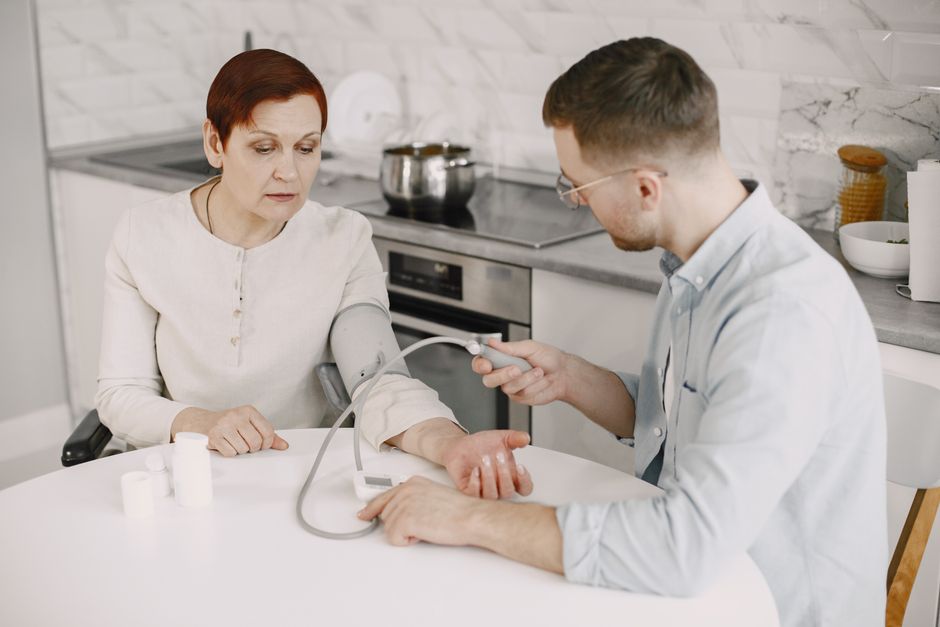
It may help to track a few useful measures without turning daily life into a constant audit: energy, digestive symptoms, sleep, strength or walking tolerance, and whether meals feel manageable. Weight can be one part of follow-up, but it is not the only measure of progress.
Habit A practical first step Why it may help Sustainable eating patterns Plan a few nourishing meal or snack options you can tolerate and access. Supports nutrition when appetite is lower and routines are changing. Movement routine Choose a modest activity goal you can repeat this week. Supports fitness, daily function and, where appropriate, muscle maintenance. Sleep quality Keep a steady wake-up time and create a short wind-down routine. Supports energy and makes other health habits easier to maintain. Clinical follow-up Write down questions and symptoms before your next review. Helps your prescriber assess safety, tolerability and whether the plan remains suitable.Think in months, not quick fixes
GLP-1 medication can change appetite, but lasting care still depends on an approach that works in real life. Start with one or two habits—perhaps a regular meal option and a short walk—and review them after a few weeks. Add or adapt routines as your health, appetite and circumstances change.
The aim is not to earn treatment through perfect behaviour. It is to support your wellbeing with habits that are flexible, safe and sustainable, alongside a medicine plan that is appropriate for you and reviewed by a qualified clinician.