What’s the Fastest Way to Spot a Sketchy CBD Gummy?
CBD gummies have exploded in popularity, with claims from easing anxiety to boosting sleep quality and even enhancing athletic performance. But with so many brands crowding the market, including reputable names like Joy Organics, alongside countless unknown labels, spotting a sketchy CBD gummy can be tricky — yet critical. In this post, we’ll break down key facts about CBD and THC, hemp legality, evidence for various health claims, and how to spot red flags like “only potency test” or missing batch certification. If you want to avoid wasting money or worse, ingesting untested or illegal products, read on.
Understanding CBD vs THC: What You Need to Know
CBD, or cannabidiol, is one of over 100 cannabinoids found in the cannabis plant. Unlike THC (tetrahydrocannabinol), it’s not psychoactive — meaning it won’t get you “high.”
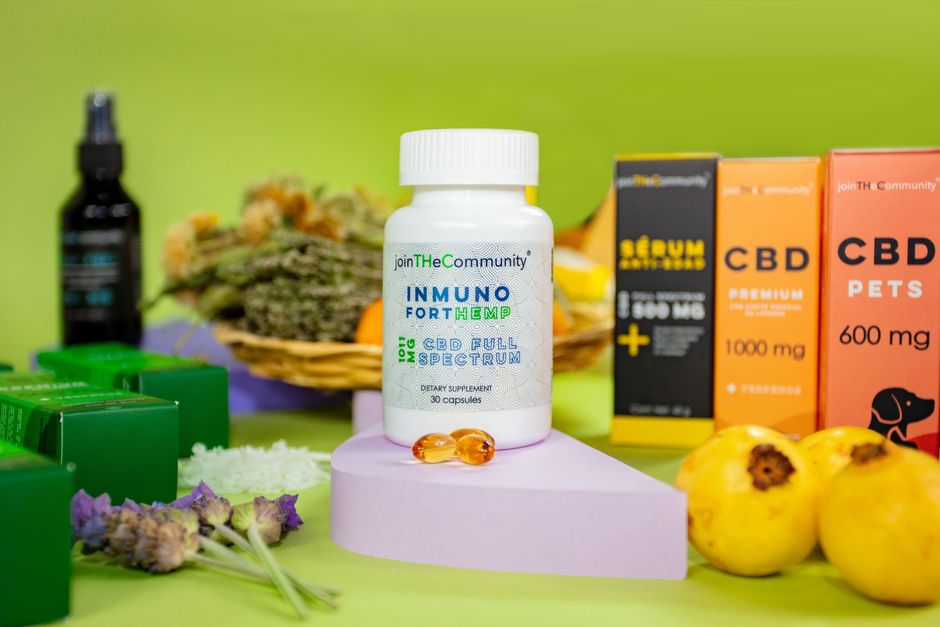
That distinction is crucial when assessing your gummies. According to US hemp law, CBD products must contain less than 0.3% THC by dry weight to be federally legal. More than that and the product is considered marijuana — regulated separately and illegal federally.
When buying CBD gummies, especially if you’re an athlete worried about doping violations, remember that the World Anti-Doping Agency (WADA) prohibits THC-containing products but does not ban pure CBD. However, cross-contamination can cause issues, so verified lab testing is essential.
Hemp Legality & the 0.3% THC Threshold
The 2018 Farm Bill legalized hemp-derived CBD products with THC levels below 0.3%. This small THC window is a double-edged sword:
- It allows wide access to CBD products, including gummies, across the US.
- It also means unscrupulous manufacturers sometimes fudge labels or fail to test comprehensively.
Spotting the difference matters because gummies that exceed the THC limit can cause intoxication, legal risks, or doping violations.
Watch Out for "Only Potency Test" Lab Reports
Many brands tout “third-party lab testing” but often, all you get is a single potency test showing CBD and THC amounts. While potency is important, it’s only part tribality of the picture. A Certificate of Analysis ( COA) should include tests for:
- Pesticides
- Heavy metals
- Residual solvents
- Microbial contaminants
- Mycotoxins
If you come across a batch with only a potency test, that’s a red flag. It means the product may harbor harmful contaminants or have inaccurate cannabinoid levels.
No COA or a missing batch match is another big warning sign. Reliable manufacturers, including Joy Organics, provide batch-specific COAs that directly correspond to the product you’re about to buy. This transparency is crucial for consumer safety and legal compliance.
Evidence Strength: Anxiety vs Sleep vs Performance
CBD has been studied for various effects, but the evidence strength varies greatly by condition:
Application Evidence Strength Notes Anxiety Moderate Clinical trials show some anxiolytic effects, often at specific doses (e.g., 300 mg daily). Not all anxiety types respond equally. Sleep Low to Moderate Cannabis-based products impact sleep architecture, but pure CBD results are mixed. Some report improved sleep onset; others see no benefit. Athletic Performance Limited Few rigorous studies exist. Some athletes use CBD for recovery or inflammation, but conclusive performance enhancement data is lacking.Many gummies are marketed with broad claims that “science says” CBD boosts sleep or performance. Without solid backing, these can be meaningless marketing pitches — especially if dosing is mismatched.
Dosing Mismatch: Clinical Studies vs. Typical Gummies
This is a notorious issue. Clinical trials often use doses of CBD ranging from 100 mg to 600 mg daily to see significant effects. Most gummies on the market, including many boasting “natural” or “daily wellness” benefits, contain 10-25 mg of CBD per gummy.
That creates a huge dosing gap. For example, a clinical study finding anxiolytic effects at 300 mg CBD means you’d need to eat upwards of 12 gummies in one sitting — likely impractical and expensive.
So beware if you’re relying on typical serving sizes of gummies for therapeutic effects supported by research. This also increases the risk of disappointment and wasted funds.
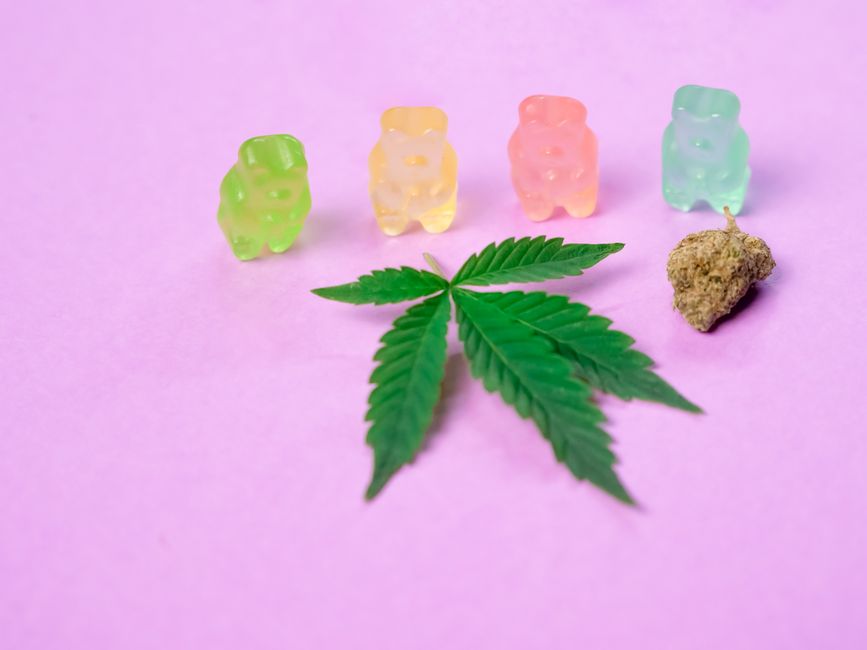
Quick Checklist: Spotting Sketchy CBD Gummies Fast
- Check the Batch-Specific COA: Is there a batch number on the package linked to a batch-specific COA? No = red flag.
- Verify the COA Content: Is the COA comprehensive, testing more than just potency? Only potency test = sketchy.
- Look for THC Limits: Does the THC level stay under 0.3%? Higher THC in hemp products is illegal federally.
- Assess Brand Reputation: Brands like Joy Organics are transparent and provide full lab reports. Unknown brands with hidden COAs are suspicious.
- Be Skeptical of Wild Claims: If the gummy claims to “boost performance” or “cure anxiety” without data or proper dosing info, beware.
- Calculate CBD Dose per Serving: If the dose is under 25 mg and the brand claims clinical effect, the dosing likely doesn’t add up.
Why FDA Oversight Still Leaves Gaps
The FDA currently regulates hemp-derived CBD products as supplements but has not approved CBD for general use except in prescription form (Epidiolex). The FDA’s enforcement prioritizes products making unproven health claims or containing illegal levels of THC.
Still, the market is flooded with products that lack rigorous testing or make misleading label statements. Consumers can’t rely solely on FDA oversight for vetting quality — they must perform due diligence.
Final Thoughts
Spotting a sketchy CBD gummy quickly requires knowing what to look for: batch-matched COAs that cover more than potency tests, verified THC content below 0.3%, realistic dosing aligned with scientific studies, and transparent branding.
Reputable companies like Joy Organics set a high bar by providing detailed third-party lab results and clear labeling. Meanwhile, athletes who want to avoid WADA doping risks need particular caution due to THC thresholds.
Don’t get fooled by marketing smoke and mirrors. Always check the only potency test warning, insist on a matching batch certificate of analysis, and be skeptical of exaggerated claims inconsistent with CBD dosage research.
Armed with these tips, you’ll quickly spot sketchy gummies and make smarter, safer choices with your CBD.