What Warm-Up Should We Do Instead of "A Lap and a Stretch"?
For decades, the staple of grassroots football warm-ups has been the classic “lap and a stretch.” You know the drill: jog a lap around the pitch, then spend a few minutes bobbing and weaving through some static stretches before getting stuck into training or the match. Simple, familiar, and something your manager’s dad probably swears by.

But if you’ve spent more than a few seasons bouncing in and out of physio clinics, you’ll know this warm-up isn’t nearly enough—especially for the rigours of Scottish lower-league football where pitches are tough, recovery facilities limited, and the temptation to “play through pain” remains strong. It’s time to rethink our approach to warming up, not just to improve immediate performance, but to tackle the long-term consequences players often don’t talk about—like osteoarthritis, persistent pain, and imperfect healing of those dodgy knees.
Why the Old Warm-Up Doesn’t Cut It Anymore
The traditional warm-up—lap and stretch—is too generic. It ignores the specific demands of football and the complex ways our bodies respond to injury and training load over time. Plus, it perpetuates some damaging culture myths:
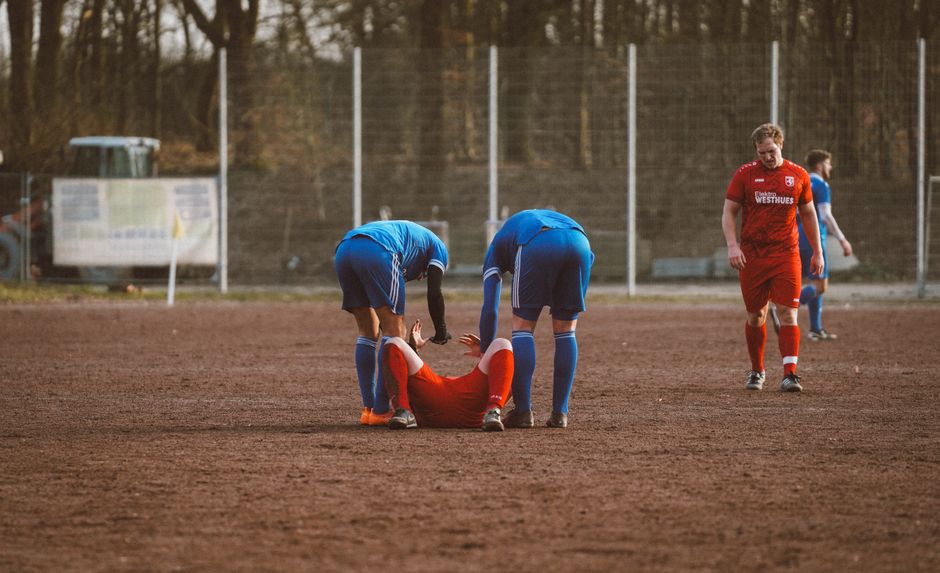
- "Just get on with it": The stigma around reporting pain or discomfort means many players ignore early warning signs.
- Static stretching as a cure-all: Stretches alone don't address muscle activation or joint stability needed for football.
- "Rest it till it feels better": Vague advice which misses the chance to actively rehab and strengthen vulnerable structures.
If you’re carrying persistent knee pain or any joint niggle, chalking it up to “wear and tear” and pushing through without proper rehab is a fast track to long-term issues like osteoarthritis, persistent pain syndromes, and reduced mobility. In football terms, that’s an early exit from the game and a lifetime of discomfort.
The Mechanisms Behind Football Injuries and Pain
When I work with players in the physio room, I break down the problem into three key mechanisms causing persistent symptoms:
- Imperfect Healing: Injuries rarely fully resolve if the affected tissues aren't loaded progressively. Scar tissue or weaker areas can cause ongoing symptoms if you jump straight back to full intensity.
- Cumulative Loading: Football involves repeated high-impact actions—running, jumping, turning—that add up over months and years. If the tissues aren't conditioned appropriately, chronic micro-damage accumulates.
- Central Sensitisation: Prolonged pain changes how the nervous system processes sensation. Suddenly, a harmless movement feels painful, and the brain keeps the “ouch” signal on high alert even when physical healing has mostly occurred.
Understanding these means we need warm-ups and rehab routines that are more than just lip service—they must prepare the body progressively, promote healing, and dampen down nervous system hyperactivity.
What Does a Proper Football Warm-Up Look Like?
Drawing on UK Anti-Doping (UKAD)’s latest guidance on athlete preparation and real-world clinic pathways (including emerging options like medical cannabis for pain management), here’s a simple but effective framework that grassroots players and coaches can follow:
1. Start with Low-Speed Aerobic Activation (5-7 Minutes)
This replaces the old “lap” but includes variation in pace. Think gentle jogging with bursts of brisk walking and light skipping to gradually increase heart rate and muscle temperature.
Why? Warmer muscles are more elastic, reducing injury risk. Varying pace recruits different muscle fibres and simulates match conditions.
2. Dynamic Mobility & Movement Drills (8-10 Minutes)
Target key joints and muscles with moves that mimic football actions:
- Leg swings (front to back, side to side)
- Walking lunges with twist
- High knees and butt kicks
- Hip circles and knee hugs
- Gentle bounding and lateral shuffles
Why? Unlike static stretching, dynamic mobility improves joint range and activates neuromuscular control needed for quick changes of direction.
3. Activation and Strengthening Exercises (5-7 Minutes)
Key muscle groups to “wake up” before kicking off:
- Glute bridges
- Bodyweight squats or mini-squats
- Single-leg balance drills
- Calf raises
Why? Activating muscles improves joint stability, which helps prevent injuries related to sudden twists or impacts.
4. Neuromuscular Control and Balance (5 Minutes)
Simple balance and coordination drills to prepare the nervous system:
- Single-leg stance with eyes closed
- Agility ladder drills (if available)
- Quick reaction drills with a partner
Why? Helps reduce risk of ankle sprains and knee injuries by improving proprioception.
5. Progressive Ball Work and Game-Specific Drills (Last 10 Minutes)
Gradually move into ball handling and passing drills at low intensity, ramping up as players feel ready.
Why? Prepares mind and body for football-specific demands, reducing the shock therapeutic use exemption TUE of jumping straight into competitive play.
Putting It All Together: A Sample Grassroots Injury Prevention Warm-Up
Step Activity Duration Purpose 1 Low-speed jog with bursts of skipping and brisk walking 5-7 minutes Increasing heart rate and muscle temperature 2 Dynamic mobility drills (leg swings, lunges, high knees) 8-10 minutes Improving joint range and neuromuscular activation 3 Muscle activation exercises (glute bridges, mini squats) 5-7 minutes Enhancing joint stability and muscle readiness 4 Balance and neuromuscular control drills 5 minutes Reducing injury risk by improving proprioception 5 Progressive ball drills and passing 10 minutes Preparing for football-specific demandsChanging Football Culture: Reporting Pain Without Fear
None of this works if players don’t feel safe admitting when things hurt. I can’t stress this enough: the long-term damage happens when players “tough it out,” playing injured because of stigma or pressure from coaches.
Managers, physios, and teammates all need to build an environment where early reports of pain are welcomed, not punished. This way, players get the right advice early—whether it’s adjusting training load, optimising rehab exercises, or exploring new therapeutic options such as medical cannabis in appropriate clinical pathways for long-term pain.
Closing Thoughts: Stick to Simple, Active Routines
Forget grand promises of “fixing” persistent football pain overnight. The key is consistency with a proper warm-up that prepares your body, combined with active rehab if injuries have already occurred. Follow simple, graded exercises and listen to what your knee (or any joint) is telling you.
The next time someone suggests the warm-up needs to be “just a lap and a stretch,” give them a nudge towards a smarter, safer routine that fits our game—and respects the years we want to play.
For further reading, check out the UK Anti-Doping education hub and consult with responsible clinics offering multimodal rehab pathways.